Achondroplasia facts

Achondroplasia is a rare genetic disorder and most common form of disproportionate short stature that affects around 1 in 20,000 individuals in Australia

Achondroplasia disrupts bone growth, most notably in the arms, legs and head

Achondroplasia is caused by a random natural change in the fibroblast growth factor receptor 3 (FGFR3) gene, which sends more signals to slow bone growth than it should

~80% of children with achondroplasia are born to parents of average stature

Diagnosis occurs most commonly during pregnancy based on ultrasound and imaging but may occur after birth

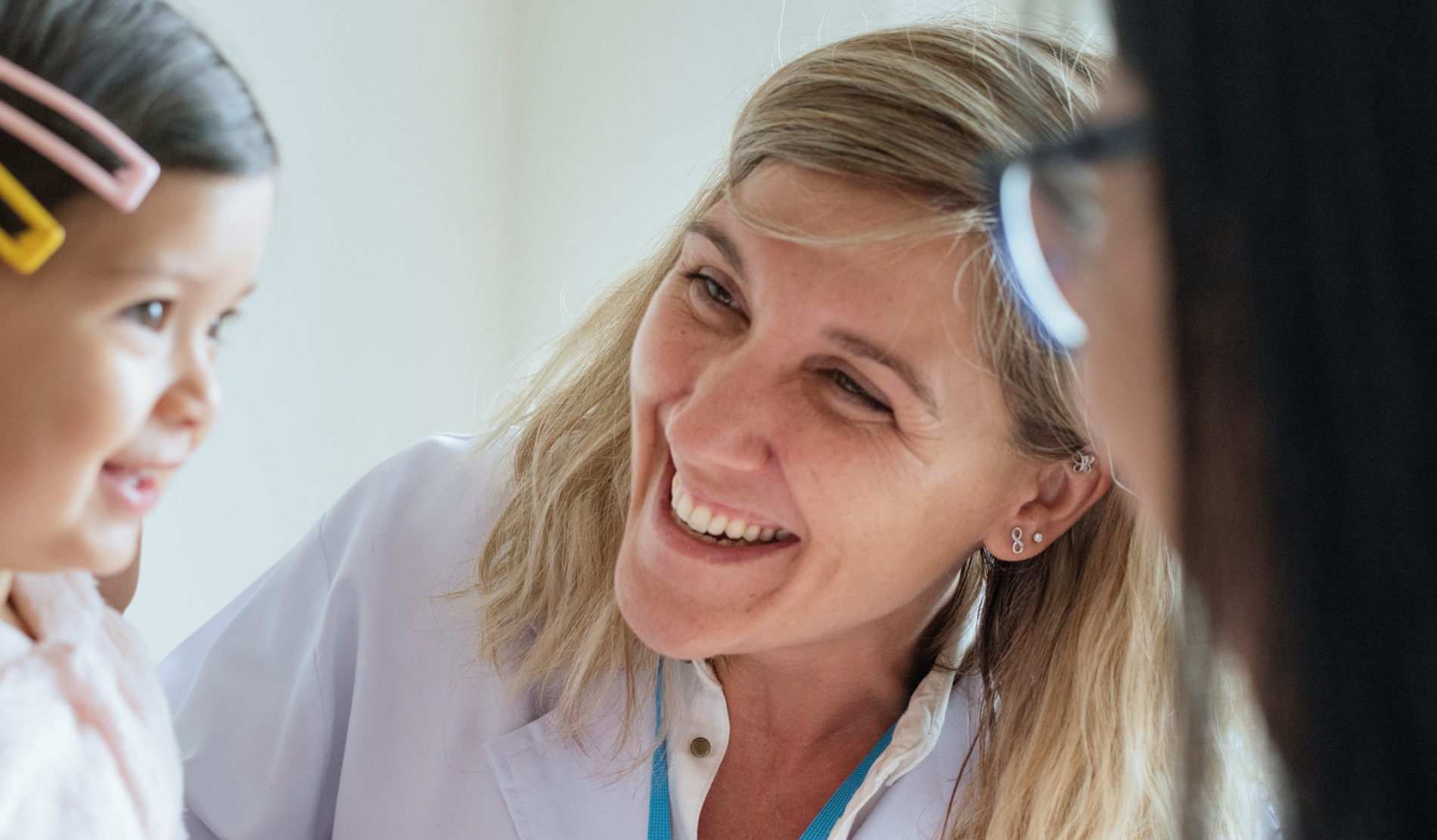
The support of a healthcare team can help children live healthy and fulfilling lives
Achondroplasia can cause serious, progressive, and lifelong complications, but does not have to hold children back from living happy and active lives.
In the first few years, delays in achieving physical milestones such as rolling over and walking are common. Over time, health challenges may need to be managed or monitored closely, including hearing impair ment, difficulty breathing (especially during sleep), difficulty walking, bone stiffness and pain, obesity and mental health. Sometimes medical inter ventions may be needed.
Many different healthcare professionals share the care of children with achondroplasia, including genetic specialists, paediatricians, general practitioners and allied healthcare professionals, such as physiotherapists, occupational therapists and speech therapists.
Depending on the state or territory you live in, health services can vary, but most have a dedicated achondroplasia service that provides access to the specialist care your child needs.
Treatment for achondroplasia generally focuses on managing complications and improving growth. Recently, a medicine that can help promote bone growth became available in Australia and may be an option to discuss with your healthcare team.
What experience do you have in treating achondroplasia?
Who else will be involved in our child’s care and how will it be coordinated?
What tests or studies are needed?
What should we watch out for?
What activities and management strategies are helpful?
What are the potential benefits and risks of treatment?
The Short Statured People of Australia (SSPA) provides support and information for people with conditions like achondroplasia and their families, with the aim of advocating for people of short stature.
COM-SC-1299. Prepared April 2026. 2008711