Becky Jackson Curran Advocates for Accessibility and Understanding
July 14, 2026
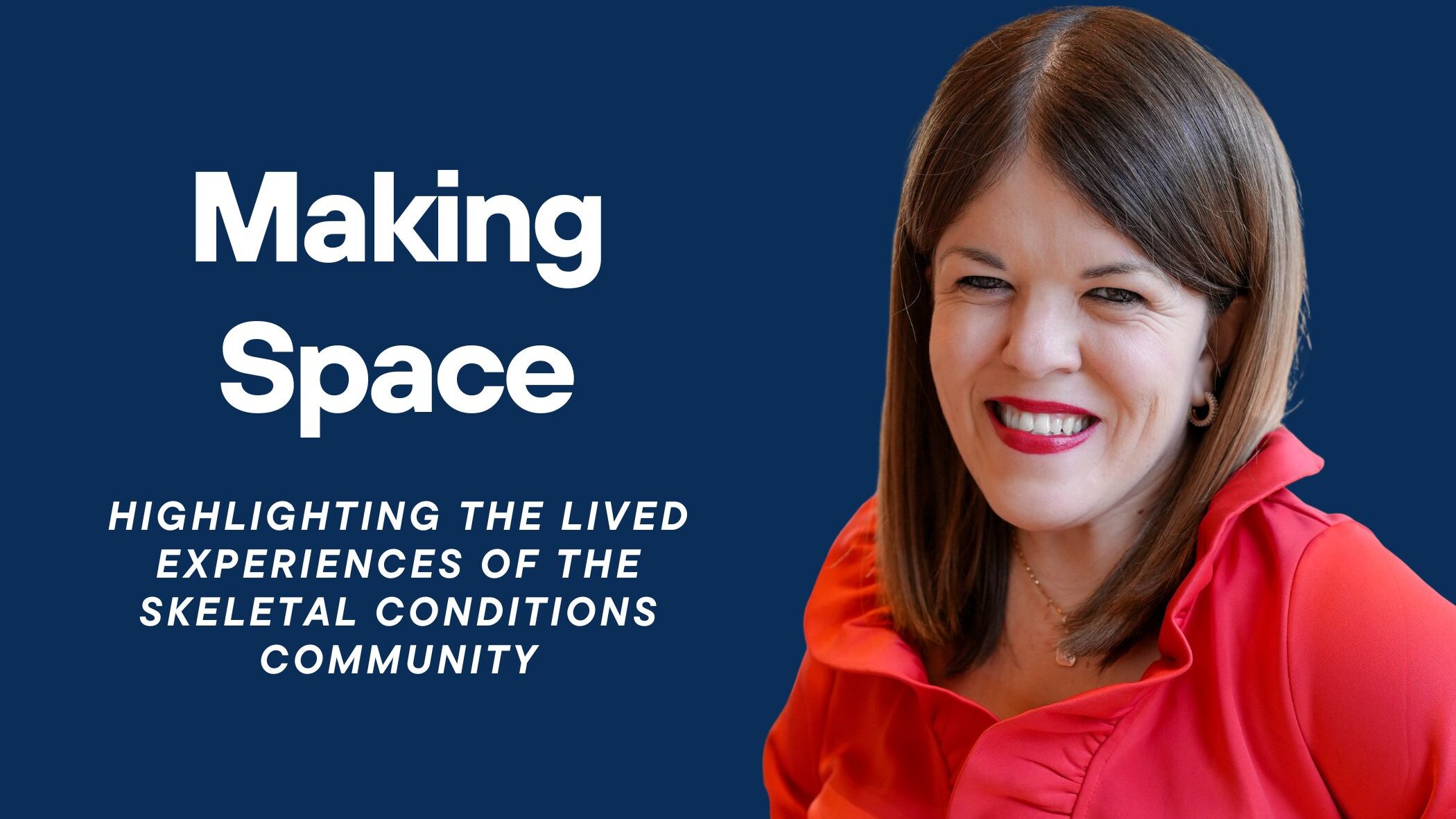
For years, Becky Jackson Curran has used her voice to challenge assumptions, lead with kindness and make room for every person to be fully human.
Her advocacy is grounded in lived experience. Growing up with achondroplasia and discovering a passion for public speaking led her to pursue a career as a disability inclusion advocate and motivational speaker, during which she has delivered two TEDx talks and spoken at more than 650 events. She speaks passionately about the intersection of her lived experience and the systemic barriers she faced entering the workforce and building a sense of belonging in society.
“I never want to change who I am. I want the way the world reacts to my differences to change,” is a phrase that serves as the theme for Becky’s advocacy efforts.
Her approach to advocacy has also been shaped by profound personal loss. In 2022, Becky’s son, Jackson, who was also born with achondroplasia, died because of an accident during a routine sleep test.
“That put a fire under me to bring my best self to others and hope to make a change to create a world that I would have wanted him to grow up in,” says Becky, who now carries Jackson’s name as her middle name to honor her son.
We spoke with Becky as part of our Making Space campaign, which features the stories of people living with skeletal conditions, caregivers and advocates to learn how their lived experiences and perspectives shape what they prioritize in their daily lives.
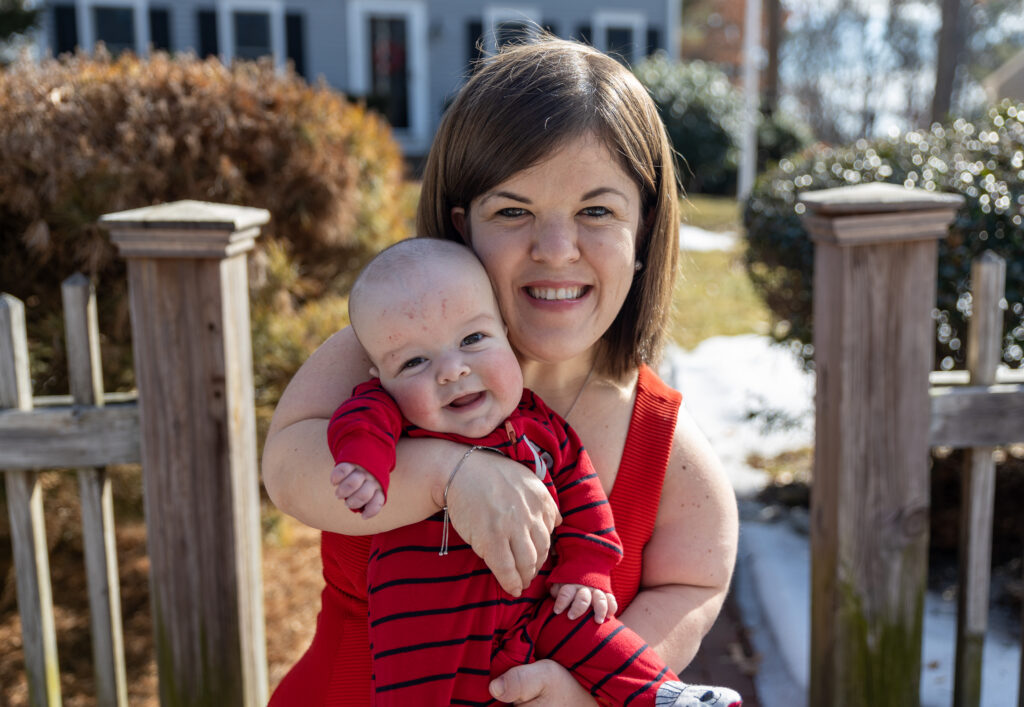
Today, Becky focuses on building a world where people with disabilities are met with curiosity, respect and accountability rather than assumptions. She also uses her platform to raise awareness and help prevent avoidable medical errors like the one that took her son’s life.
Becky has always had to navigate environments that are not designed with little people in mind. From using step stools and pedal extensions to managing social interactions, even seemingly routine moments can require adaptation.
“Don’t feel bad for us. It’s okay to be different,” she says. “We just want a level playing field and to be given a chance to participate in society in a meaningful way.”
That perspective shapes how she engages with others. Becky encourages simple, thoughtful questions such as, “What is the best way I can support you?” She believes curiosity is welcome when it comes with openness and a willingness to listen
“I think it’s important to have my story out there… I want people to understand that it’s OK to be different. We just want the chance to participate meaningfully in society – and we’ll keep reminding people we deserve that chance.”
Visibility is also central to her work. Through school talks, public speaking and advocating for more authentic representation of the dwarfism community in media, she aims to create more inclusive, adaptable environments for the next generation. By putting herself out there, she hopes to help lead by example.
“By being my authentic self, I hope that others can come to me and be their authentic selves,” she says.
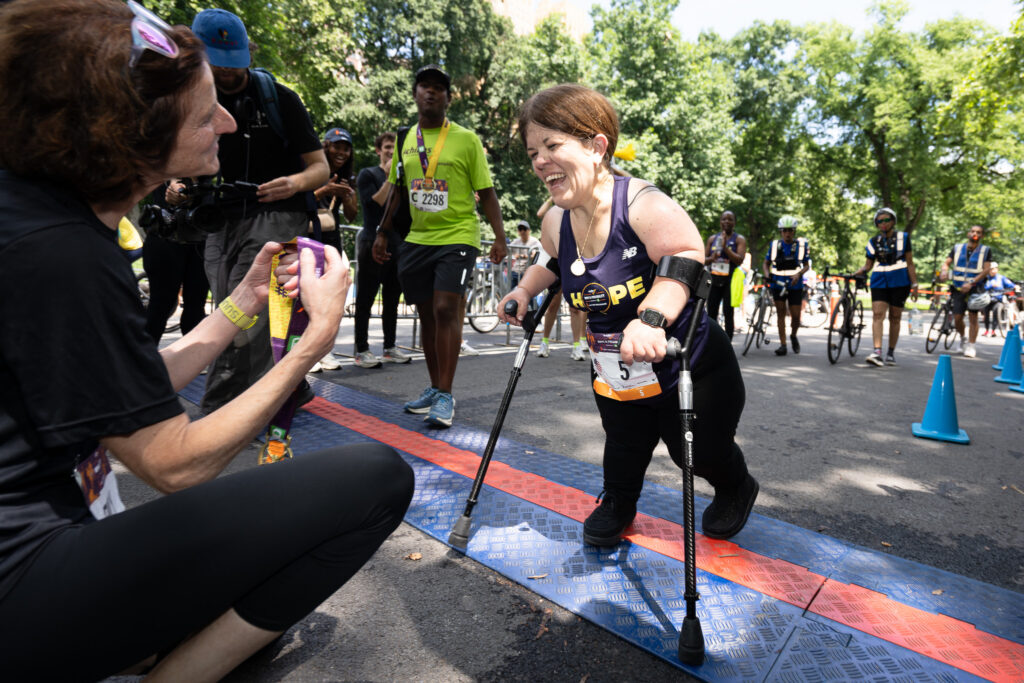
Given what she has experienced, Becky is also intentional about making space for joy, connection and lightness in her personal life. She finds happiness in boxing, long walks with Achilles International, travel, exploring new coffee shops, photography and going to comedy shows with her dad. These moments keep her grounded, even as she continues to do meaningful and often heavy work on behalf of her community.
Ultimately, Becky hopes people see her as a complete person, not as someone to be underestimated or placed on a pedestal.
For Becky, making space is more than a personal practice. It is an invitation for others to listen more closely, assume less, and become part of positive change.
“I think it’s important to have my story out there,” Becky says. “Our scenario is so rare – there are only 65,000 of us in the U.S. and more than 400 types of dwarfism. The truth is, waking up every day and adapting to a world that wasn’t made for us can be exhausting. I want people to understand that it’s OK to be different. We just want the chance to participate meaningfully in society – and we’ll keep reminding people we deserve that chance.”